Article: What is a Good TDS Level for Drinking Water? Your 2026 Homeowner's Guide
What is a Good TDS Level for Drinking Water? Your 2026 Homeowner's Guide
TL;DR: The 2026 Quick Answer
- Ideal Level: 50-150 ppm (with remineralization).
- The 2026 Reality: Low TDS does not mean safe. Standard testing meters cannot detect the latest EPA-regulated PFAS (forever chemicals) or nanoplastics.
- Smart Alternative: Modern smart RO systems monitor water quality 24/7 via WiFi, removing the need for manual testing pens entirely.
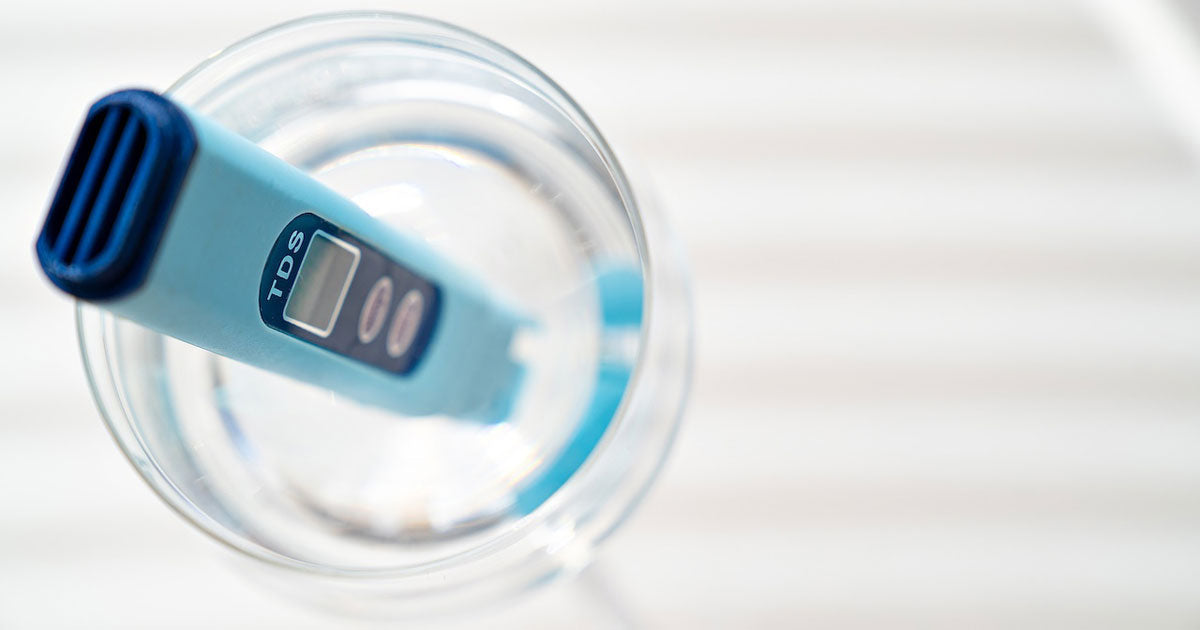
You dip a fifteen-dollar electronic pen into a glass of tap water, and a digital number pops up on the screen. If that reading is low, you probably take a sip feeling completely protected. Relying solely on that simple numerical output is leaving your family exposed to invisible, non-conductive contaminants. Determining what is a good TDS level for drinking water requires looking beyond basic measurements and understanding what modern filtration actually entails.
What Does TDS Mean for Water Quality?
TDS stands for Total Dissolved Solids. Think of water as a universal solvent. As it travels from rain clouds through the earth and into municipal infrastructure, it absorbs trace amounts of everything it touches.
These dissolved solids are primarily natural minerals like calcium, magnesium, and potassium. They can also include agricultural runoff or industrial byproducts that seep into the water table. The measurement simply gives you the total weight of these combined substances in your glass.
Why Does Some Water Have a High TDS Level?
If your local supply relies on deep groundwater, it naturally absorbs heavy mineral deposits. This results in what we commonly call "hard water."
Aging city infrastructure plays a massive role as well. Decades-old municipal pipes can leach copper and rust into the supply long before it reaches your kitchen faucet. This silent accumulation of metals is what typically drives your household reading upward.
The Standard: How to Read TDS Measurements
Knowing how to read TDS measurements helps you establish a baseline for your kitchen tap. You simply submerge the prongs into a sample and wait for the screen to stabilize.
- 0-50 ppm: Micro-filtered, ultra-pure water.
- 50-150 ppm: Excellent drinking water, usually featuring a balanced mineral profile.
- 150-300 ppm: Acceptable, though you may notice a heavier, slightly metallic taste.
- 300+ ppm: Poor quality. The EPA suggests secondary filtration at this level to improve taste and reduce scaling.
The 2026 Blind Spot: Do TDS Meters Measure If Water is Safe to Drink?
The short answer is no. A low reading frequently creates a false sense of security. Determining what is a good TDS level for drinking water is meaningless if the most dangerous substances are hiding in plain sight.
What is a TDS meter and what does it measure (exactly)?
These simple devices only measure electrical conductivity. They register the quantity of solid particles that carry an electrical charge, such as salts and heavy metals. They do not possess the technology to measure toxicity or organic matter.
The Hidden Threats: PFAS and Microplastics (2026 Update)
Because PFAS and plastics do not conduct electricity, they register as absolute zero on a manual testing pen. Under the EPA's finalized National Primary Drinking Water Regulation for PFAS, the legally enforceable Maximum Contaminant Levels (MCLs) are strictly set at 4.0 parts per trillion (ppt) specifically for PFOA and PFOS. Basic conductivity tests are entirely blind to these highly regulated compounds.
The issue extends to commercial alternatives. A landmark 2024 study published in the peer-reviewed journal Proceedings of the National Academy of Sciences (PNAS) by Columbia University researchers utilized stimulated Raman scattering microscopy to analyze commercial hydration. They revealed that store-bought supplies contain an average of 240,000 nanoplastic fragments per liter. Finding nanoplastics in bottled water proves that switching away from the tap does not automatically guarantee safety.
The Honest Truth: Does Reverse Osmosis Remove Healthy Minerals?
Consumers often ask if reverse osmosis water is safe to drink because the purification process is so aggressive. The 0.0001-micron membrane in a true RO setup physically strips everything out of the liquid. This includes the beneficial calcium and magnesium.
Drinking pure H2O can taste somewhat flat and presents a slightly acidic pH profile. The solution is integrating an alkaline remineralization filter stage into your plumbing setup.
By passing the purified water through a secondary remineralizing stage, you naturally add back 100% organic calcium and magnesium. This restores the pH balance and provides a crisp taste securely. It directly answers the question of does RO remove minerals by solving the issue mechanically before the water reaches your glass.
The Financial Breakdown: Cost of Reverse Osmosis vs Bottled Water
Many homeowners hesitate at the upfront cost of residential purification systems. We need to look at the actual mathematics for a typical household.
Purchasing premium commercial water easily costs between $1,000 and $1,200 annually for a family of four. When evaluating the cost of reverse osmosis vs bottled water, you must factor in the equipment lifespan.
Modern under-sink water filters utilize high-capacity filters designed to last between one and three years. This longevity brings your ongoing maintenance down to roughly $0.02 to $0.05 per gallon. If you are wondering are under sink water filters worth it, the math shows they typically pay for themselves within the first eight months of operation.
What is the Best TDS Meter for Drinking Water Testing at Home?
The ideal testing device is the one you do not have to operate manually. Expecting a busy homeowner to remember to test their tap every month is a flawed strategy.
How do we know if a water filter is effectively removing contaminants?
Modern households are shifting away from manual tools and toward integrated technical solutions. The Mizudo Megaflo Smart Tankless RO System is engineered to align with the stringent NSF/ANSI 58 standards, the industry's absolute gold standard for reverse osmosis contaminant reduction.
Beyond rigorous physical filtration, it features built-in WiFi connectivity. It continuously monitors your incoming and outgoing water quality, displaying real-time data directly on your smartphone. This automated tracking eliminates the guesswork of filter replacements and ensures your purification levels remain constant.
3 Actionable Steps to Take Control of Your Kitchen Tap Today
- Check the EWG Database: Do not guess what is in your local supply. Type your specific zip code into the Environmental Working Group (EWG) Tap Water Database online to review exactly which contaminants your municipal facility is failing to filter out.
- Stop Relying on Basic Pitchers: Standard fridge filters excel at removing chlorine taste. They are largely ineffective against the PFAS in drinking water 2026 regulations currently target.
- Upgrade to Smart RO: Invest in the Mizudo Megaflo Smart Series equipped with remineralization technology. You secure monitorable, high-efficiency purification for your entire household.
Frequently Asked Questions About Home TDS Levels
1. Does boiling water reduce TDS levels?
Boiling your tap water actually increases the concentration of dissolved solids. When the H2O evaporates into steam, the heavy metals and minerals remain trapped inside your pot. If you boil a pot of water with a starting reading of 200 ppm for ten minutes, the remaining liquid will yield a significantly higher reading.
According to the CDC's 2025 residential water preparation guidelines, boiling only kills living pathogens like bacteria. It does nothing to remove physical contaminants or chemical runoff. To physically lower the ppm, you must use a semi-permeable membrane like reverse osmosis.
2. Can a TDS meter detect lead or PFAS in my drinking water?
A standard testing pen cannot detect lead or forever chemicals because it only measures electrical conductivity. These toxic compounds do not carry the necessary electrical charge to register on basic household meters. Relying on a cheap pen may increase your risk of chronic exposure if you assume a low number equals safety.
The EPA's 2026 National Primary Drinking Water Regulation finalized strict limits for PFAS, noting that specialized laboratory testing is required for detection. If you are concerned about these specific toxins, you need an NSF/ANSI 58 certified RO system rather than a handheld tester.
3. Why did my TDS reading go up after installing a new water filter?
Seeing a temporary spike in your reading immediately after installing a new under-sink water filter is completely normal. New carbon blocks and remineralization stages often release harmless carbon dust or excess alkaline minerals during their first few filtration cycles.
We always advise flushing a newly installed Mizudo system for at least fifteen minutes before taking your first measurement. After the initial flush, the membrane will stabilize, and you should see the number drop dramatically. If the reading remains high after several days of use, check your quick-connect tubing to ensure municipal water is not bypassing the membrane.
4. Is a TDS of 0 safe to drink every day?
Consuming water with an absolute zero reading means you are drinking liquid entirely stripped of its natural mineral profile. While highly purified water prevents exposure to toxins, prolonged consumption of zero-TDS water may increase the risk of minor mineral deficiencies over time.
According to a 2025 review in the Journal of Water and Health, ideal drinking water should retain trace amounts of calcium and magnesium for optimal cardiovascular support. This is exactly why premium filtration brands integrate an alkaline remineralization filter at the final stage. It ensures your family gets extreme purification without sacrificing essential dietary minerals.
5. Do water softeners lower the TDS reading in my house?
A whole-house water softener will not lower your Total Dissolved Solids reading. These systems operate using ion exchange, meaning they simply swap hard calcium and magnesium ions for softer sodium or potassium ions.
Because you are exchanging one dissolved solid for another, your digital reading will remain largely unchanged. If your goal is to actually remove these solids for better-tasting drinking water, a softener is not the correct appliance. You will need to pair your softener with a dedicated reverse osmosis unit at the kitchen sink.
6. How often should I test my home tap water with a TDS meter?
For households relying on standard pitchers or fridge filters, checking your tap water once a month is a prudent habit. Municipal supplies can experience sudden fluctuations due to pipe maintenance or seasonal agricultural runoff. A sudden jump of 50 ppm or more indicates a potential breach in your local facility's treatment process.
However, if you upgrade to a smart RO system, manual testing becomes entirely obsolete. The Mizudo Megaflo series automatically scans your water 24/7, sending instant push notifications to your phone if the quality ever drops.
7. Why does bottled spring water have a higher TDS than purified water?
Commercial spring water is intentionally sourced from underground aquifers rich in natural minerals, which naturally inflates the dissolved solids count. Brands often market these elevated readings as a premium health benefit, despite the environmental cost of the plastic packaging.
Before buying cases of spring water, remember the 2026 Columbia University data showing extreme nanoplastic contamination in those very bottles. You can easily replicate that exact mineral-rich taste at home with a remineralizing filter, avoiding the plastics entirely.

The Mizudo Team