


Tap water can taste like chlorine, minerals, metal, or simply water that has been sitting in the pipes. The right solution depends on what you are tasting and how much water your household uses every day.
The most useful first step is not buying a product. It is identifying the type of taste you notice. That helps separate a simple faucet or temperature issue from one that may justify a dedicated drinking-water filter.
Quick Answer
Cold, fresh water and a clean faucet aerator can improve a minor stale taste. For a persistent chlorine, mineral, or metallic taste, the better long-term answer is usually a filter selected for the issue you want to address, not a flavoring trick that only masks it.
What Is Making Your Tap Water Taste Different?
Drinking water flavor is affected by its mineral profile, treatment process, temperature, and the plumbing between the water main and your glass. Taste alone cannot identify a contaminant or tell you whether water is safe, but it can help you decide what to check next.
Pool-Like or Chemical
Chlorine or chloramine used by a utility can leave a noticeable taste or smell. Carbon filtration is commonly used to improve chlorine-related taste and odor, but performance depends on the specific filter.
Chalky or Mineral-Like
Calcium, magnesium, and other dissolved minerals can create a pronounced taste. A TDS meter can indicate the level of dissolved solids, but it does not identify what those solids are or determine water safety.
Metallic
A metallic flavor can be associated with minerals or water interacting with plumbing components. If it is new, persistent, or paired with discoloration, check with your utility or a qualified professional.
Stale After Sitting
Water left in household plumbing can taste different from freshly drawn water. This is especially common first thing in the morning or after a home has been empty for several days.
About TDS: TDS means total dissolved solids. It is a measurement of dissolved material in water, often including naturally occurring minerals. A higher or lower TDS reading is not, by itself, a verdict on water quality. Use your local water-quality report and product-specific filtration information when making a purchase decision.
Start With the Fixes That Cost Nothing
These steps are worth trying before buying any filtration system. They are useful for improving the everyday drinking experience, especially when the issue is caused by water sitting at the fixture rather than the incoming supply.
- Use fresh cold water. Let the cold tap run until the water is fully cold before filling a drinking glass or pot.
- Clean the faucet aerator. Sediment can collect in the small screen at the end of a faucet. Follow the faucet manufacturer's instructions before removing it.
- Chill the water. Refrigerating water in a covered container can make certain odors and flavors less noticeable.
- Add flavor only if you enjoy it. Lemon, cucumber, or mint can make water more appealing, but they do not filter it or remove dissolved substances.
If these steps help only briefly, or do not help at all, it is time to think about filtration based on your actual water use.
Pitcher, Refrigerator Filter, or Under-Sink System?
A pitcher is not a bad choice. It is often the most sensible option for a renter, a small household, or someone who only wants filtered water occasionally. The limitation appears when filtered water becomes part of every meal, coffee routine, refillable bottle, and cooking task.
The point is not that every home needs an under-sink system. It is that a pitcher can become inconvenient when it is asked to serve an entire household's daily drinking-water routine.
When Under-Sink Filtration Is the Better Long-Term Choice
An under-sink system becomes more practical when you want filtered water at the kitchen sink without waiting for a pitcher to refill or sacrificing refrigerator space. It can be a strong fit when your household uses filtered water throughout the day for drinking, cooking, coffee, tea, and baby formula preparation.
Different technologies solve different problems. A carbon-based system may be appropriate when taste and odor are the main concern. A reverse osmosis system may be worth considering when you want a point-of-use solution that addresses a broader range of dissolved substances. Always review the exact product's specifications and certification information rather than assuming every filter reduces the same substances.

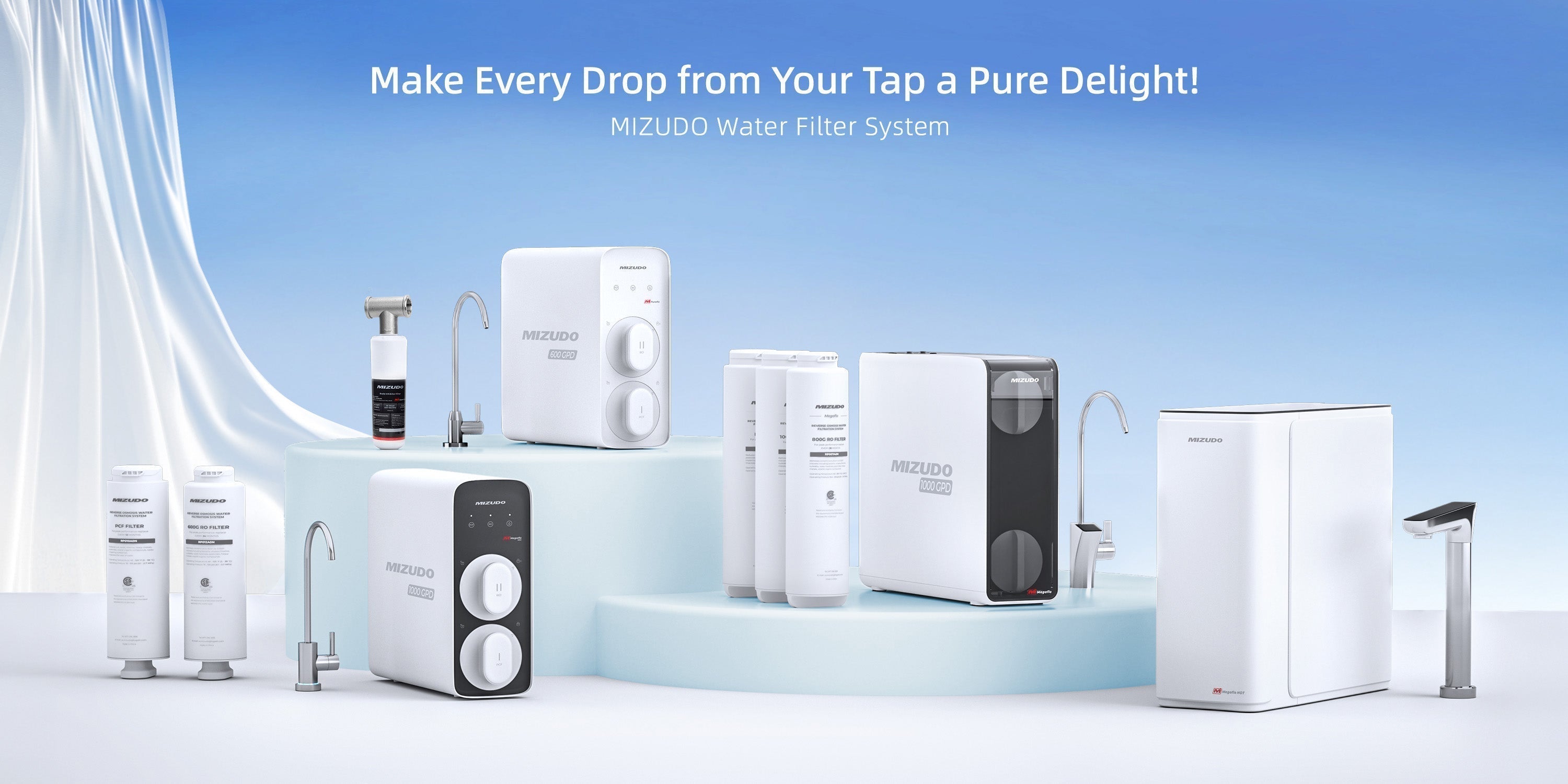
If you are comparing options for regular kitchen use, explore the available Mizudo water filtration systems and check each model's intended use, replacement schedule, installation requirements, and documented performance information.
Frequently Asked Questions
Why does my tap water taste like chlorine or metal?
Chlorine or chloramine used by a water utility can create a pool-like taste or smell. A metallic taste can be associated with minerals or with water interacting with plumbing components. Check your local water-quality report and, if the change is sudden or accompanied by color or a strong odor, contact your water utility or a qualified professional.
Does chilling tap water make it taste better?
Yes, chilling often makes water taste more refreshing because cold temperatures mute some odors and flavors. It does not remove dissolved minerals or other substances.
What does TDS mean in drinking water?
TDS means total dissolved solids. It is a measurement of dissolved material in water, often including naturally occurring minerals. A TDS reading does not identify the substances present or determine whether water is safe to drink.
How can I improve tap water taste without a filter?
Use fresh cold water, clean the faucet aerator, chill the water, and add lemon or another flavor if you enjoy it. These steps can improve the drinking experience, but they do not replace filtration when you want to address a persistent taste issue.
When does an under-sink water filter make sense?
An under-sink system can make sense when your household regularly uses filtered water for drinking and cooking and you are tired of refilling pitchers or buying bottled water. Review the system's product page and certification information for the specific substances it is designed to reduce.
Choose for Your Water and Your Routine
Start with the cause of the taste, then choose a solution that fits how often your household actually uses filtered water.
Explore Mizudo Water Filters

Leave a comment
This site is protected by hCaptcha and the hCaptcha Privacy Policy and Terms of Service apply.