


What Is a Tankless Water Heater? A Complete Homeowner's Guide (2026)
Mizudo
We've all been there. You're enjoying a relaxing morning shower, and suddenly, an icy blast of water hits you because someone started the washing machine downstairs. It's frustrating. The crazy thing is, the traditional tank water heaters most of us have sitting in our basements really haven't changed much in 50 years. They are basically giant metal kettles that run around the clock.
But lately, you've probably heard people talking about a modern alternative: the instant hot water heater. As a home improvement specialist who has spent over a decade crawling under houses and swapping out rusted plumbing, I get asked about these systems every single week.
People want to know what is a tankless water heater, exactly? And more importantly, is it actually a smart move for their specific house? In this guide, I'm going to give you the honest truth. No sales fluff, just real-world advice from the field. We'll dive into exactly how much they cost, how they actually work, and whether making the switch makes financial sense for your family. Let's get into it.
What Is a Tankless Water Heater, Exactly?
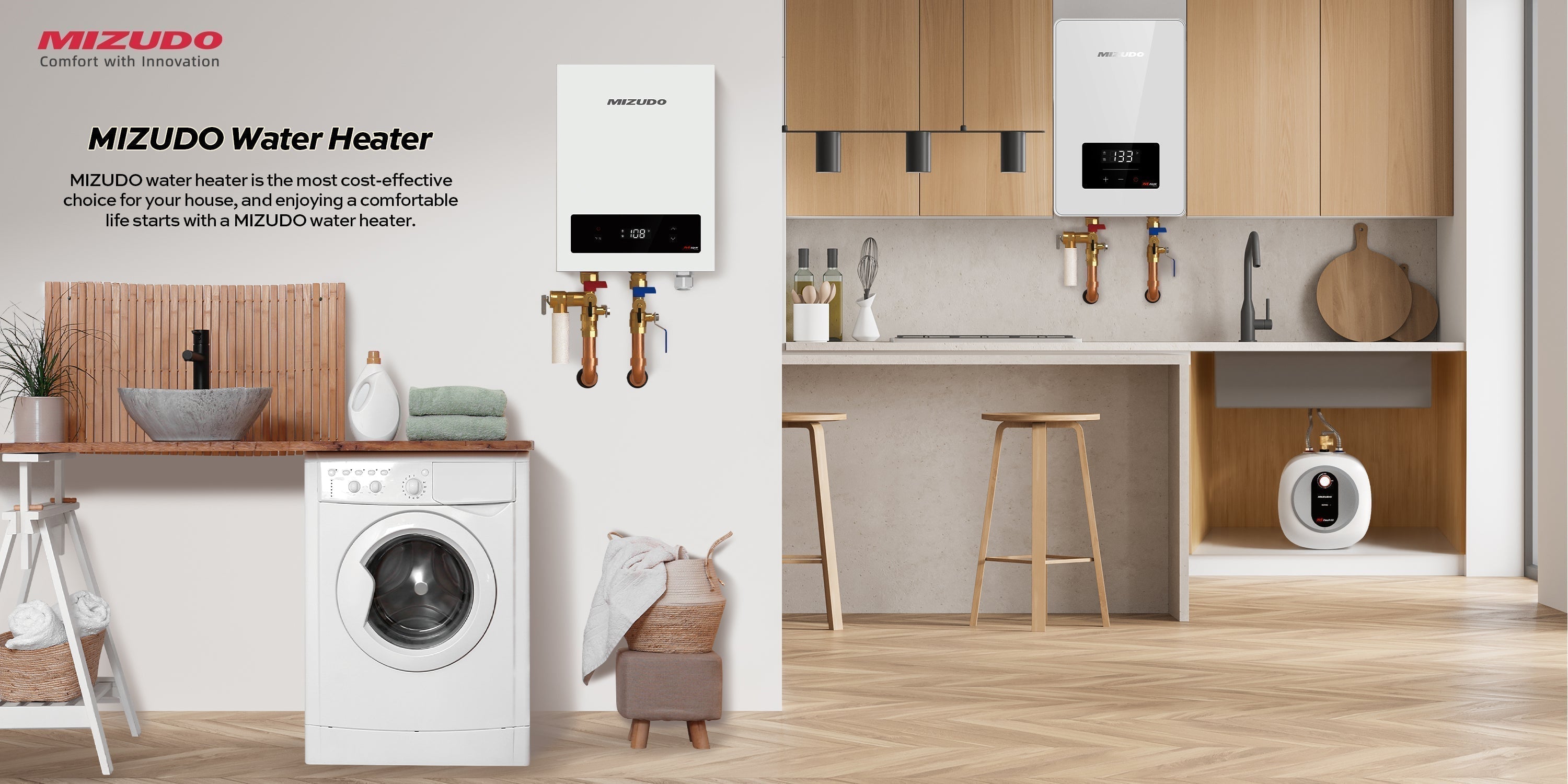
So, what is a tankless water heater? In simple terms, it is a highly compact unit that heats your water strictly on demand, rather than heating and storing 40 or 50 gallons of water in a massive steel cylinder. Because they don't hold water in reserve, you'll often hear plumbers refer to them as on-demand water heaters or an instant hot water heater.
Think about your old storage tank for a second. It fires up throughout the day and night just to keep that stored water hot, even when you're fast asleep or away at the office. That is a ton of wasted energy—and wasted money.
A tankless system completely flips that script. It sits quietly on your wall doing absolutely nothing until you physically turn on a hot water faucet. The second you do, it rapidly heats the water passing through its internal pipes. Once you turn the tap off, the heater shuts down entirely. It's a much smarter, leaner way to handle your home's plumbing needs.
How Does an Electric Tankless Water Heater Work?
If you are wondering how does an electric tankless water heater work, it's actually pretty straightforward. When you open a faucet or start the dishwasher, a built-in flow sensor detects that water is moving through your pipes. This sensor instantly tells the unit's computer board to fire up the internal heating elements.
Cold water rushes over these highly conductive cast aluminum elements and gets heated to your exact set temperature in a matter of seconds. The beauty of this process is the efficiency. These units only draw electricity for the exact minutes you are actively using hot water.
Contrast that with a standard tank heater that wastes massive amounts of electricity keeping water hot 24/7. It's like leaving your car idling in the driveway all night just so it's warm in the morning. A tankless unit only runs when your foot is on the gas pedal.
Pros and Cons of Tankless Water Heaters
Before you make a decision, we need to look at the real-world pros and cons of tankless water heater systems. I always tell homeowners the truth—these are amazing machines, but they aren't magic. Let's break down both sides.
The Pros
- Endless Hot Water: Since it heats water on demand, you literally never run out. You can take a three-hour shower if you want to, even after everyone else in the house has bathed and run the dishwasher.
- Lower Energy Bills: By eliminating standby heat loss, most folks see a noticeable drop in their monthly utility costs. Do tankless water heaters save money? Yes, absolutely over the long haul.
- Space Saving: These units mount flat on a wall, freeing up your entire utility closet or a huge chunk of your garage for storage, tools, or even a small workbench.
- Longer Lifespan: Because they don't hold standing water, they don't rust out from the inside like traditional tanks do.
- Less Risk of Water Damage: No 50-gallon tank means no catastrophic basement floods that can cost thousands of dollars in repairs when a seam eventually busts.
The Cons
- Higher Upfront Cost: The equipment and the installation usually cost more upfront than just swapping in a cheap, standard tank.
- Electrical Upgrades: A whole house electric tankless water heater requires a lot of amperage to quickly heat water. You might need your electrician to upgrade your breaker panel or run new heavy-duty wire.
- Cold Climate Limits: If your incoming winter groundwater is near freezing, the heater has to work much harder to hit your target temperature, which can slow down your water flow rate.
- Not Ideal for Massive Homes: If you have five bathrooms and routinely run three showers at the exact same time, you might need to install two separate units to keep up with the heavy demand.
Electric Tankless Water Heater Cost Breakdown
Let's talk numbers, because the electric tankless water heater cost is usually the biggest deciding factor for folks. I helped a friend replace his 12-year-old tank last year, and walking him through this math made his choice much easier.
First, you have the upfront costs. The unit itself typically ranges from $300 to $1,500 depending on the kW size you need for your climate. Installation labor usually runs between $500 and $1,200. Keep in mind, if your home needs electrical panel upgrades to support the new system, that will add an extra $300-$800 to your initial bill.
Then, you have the ongoing costs and savings. Annual maintenance is incredibly cheap, usually just $50 to $100 for a simple vinegar flush to clear out hard water minerals. On the savings side, you can expect to cut your water heating bills by 15% to 30% compared to a traditional tank. Our high-efficiency electric tankless water heaters are designed to maximize these savings for every household. For the average US household, that's about $150-$300 per year in savings.
Because of these monthly savings, the payback period for a tankless system is usually around 7 to 10 years. After that point, the energy savings go straight back into your pocket. You can also lower your upfront costs significantly by buying from factory-direct brands like Mizudo. By skipping the heavy markups at big-box hardware stores, you get commercial-grade equipment without the inflated retail price tag.
Tank vs Tankless Water Heater: Quick Comparison
Sometimes it helps to just see the facts side-by-side. Here is a quick breakdown of how traditional tanks stack up against modern tankless options.
| Feature | Traditional Tank Heater | Tankless Water Heater |
|---|---|---|
| Average Lifespan | 8 to 12 years | 15 to 20+ years |
| Energy Efficiency | 60-70% (Wastes standby heat) | 90-99% (Only heats when needed) |
| Average Upfront Cost | $500-$1,200 installed | $1,000-$2,500 installed |
| Space Required | 12 to 16 square feet (Bulky) | Wall-mounted (Zero floor space) |
| Hot Water Supply | Limited (Will run out) | Endless (Continuous flow) |
| Water Damage Risk | High (Prone to ruptures) | Very Low (No standing water) |
Is a Tankless Water Heater Worth It for You?
So, at the end of the day, is a tankless water heater worth it? For the vast majority of homeowners I work with, the answer is a resounding yes. If you live in a small to medium-sized home with two to four people, want to reclaim your utility closet, and plan on staying in your house for more than 7 years, making the switch is a no-brainer. For single sinks or guest bathrooms, a compact point-of-use electric tankless water heater is also a great option. The endless hot water and long-term energy savings easily justify the initial investment.
Plus, when looking at an electric vs gas tankless water heater, electric models are usually much easier and cheaper to install since they don't require complicated exhaust venting or gas line upgrades.
However, I'll be honest—if you live in a sprawling mansion with five bathrooms, are on an incredibly tight budget right now, or plan to move out in the next six months, you might be better off sticking with a standard tank. It really comes down to your specific household needs.
Frequently Asked Questions
How long do tankless water heaters last?
Unlike traditional tanks that rust out and fail in about a decade, a well-maintained tankless unit will typically last 15 to 20 years. Sometimes they last even longer since there is no standing water sitting inside to corrode the metal.
Do tankless water heaters really save money?
Yes. While the installation costs more initially, eliminating the 24/7 standby heat loss of a tank saves you 15% to 30% on your water heating energy bills every single month. Over 20 years, that adds up to $3,000-$6,000 in total savings.
Can I install a tankless water heater myself?
Unless you are a licensed electrician and plumber, I highly recommend hiring a professional. These units require heavy-duty wiring and specific double-pole breaker sizes to operate safely. Improper installation can void your warranty and create fire hazards.
What size electric tankless water heater do I need?
Sizing is completely based on your local incoming groundwater temperature and how many faucets you run simultaneously. A small southern home might only need an 11kW unit, while a northern home dealing with freezing winter water usually needs a 24kW or 27kW unit. For a detailed step-by-step guide, check out our article on how to size an electric tankless water heater. Our cast aluminum electric tankless water heaters are available in all these sizes to fit every home.
Do tankless water heaters work with hard water?
Yes, but they do require regular maintenance. If you live in an area with hard water, you should flush your unit with vinegar once a year to remove mineral buildup. This simple step will keep your heater running efficiently for its entire lifespan.
Final Thoughts & Next Steps
Wrapping things up, moving away from an outdated storage tank is one of the smartest upgrades you can make for your home's comfort and efficiency. You get endless showers, lower bills, and you finally get your floor space back.
If you are ready to make the switch, Mizudo offers a full lineup of commercial-grade, high-efficiency electric tankless water heaters built directly in our own factories. We cut out the retail middlemen so you get a reliable, heavy-duty unit without breaking the bank.
Figuring out the exact kW size for your zip code can be tricky, so please don't guess. Reach out to our dedicated support team at service@mizudo.com for free, personalized sizing help. We are here to help you make the right, honest decision for your home.
Leave a comment
This site is protected by hCaptcha and the hCaptcha Privacy Policy and Terms of Service apply.