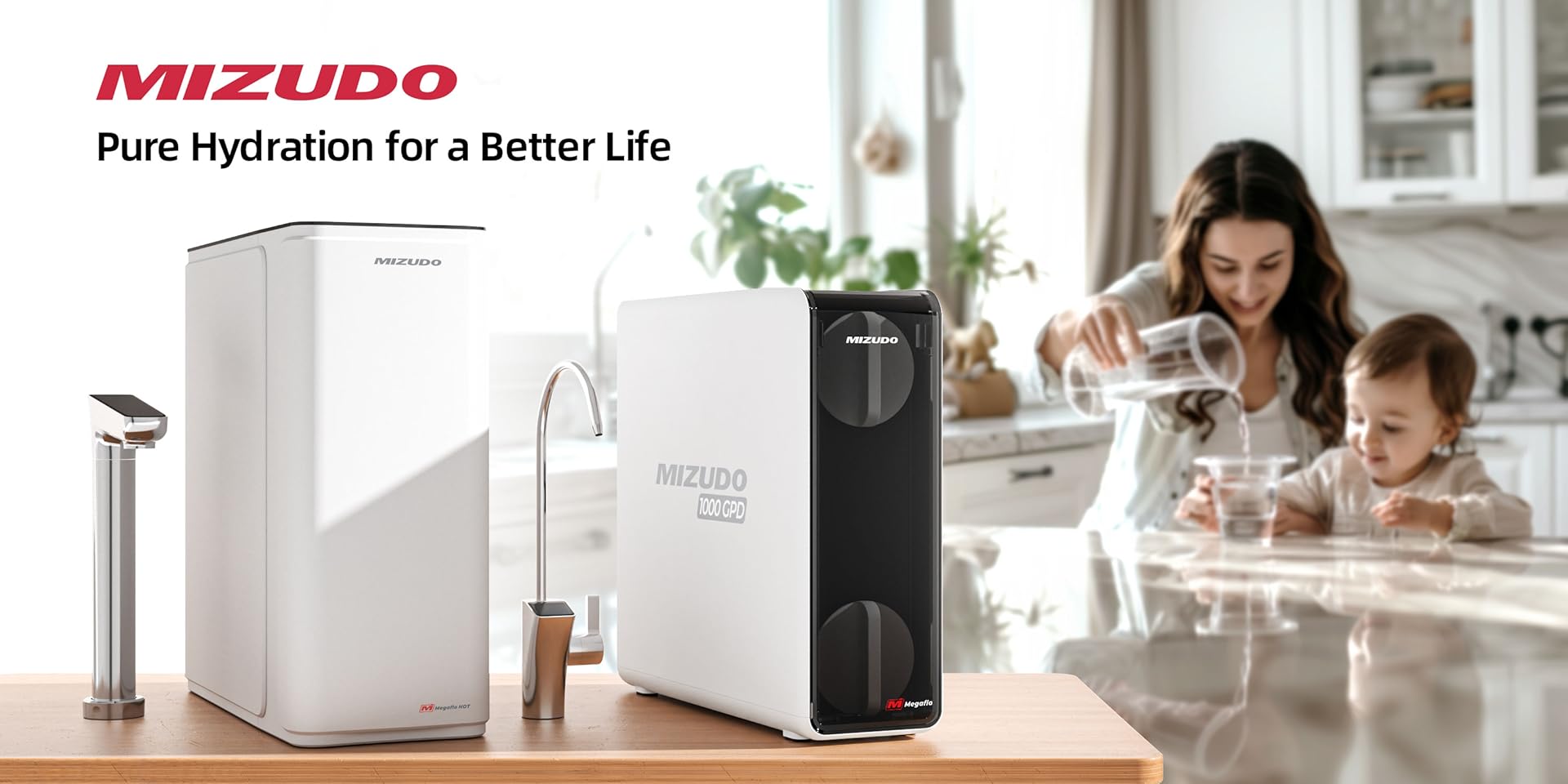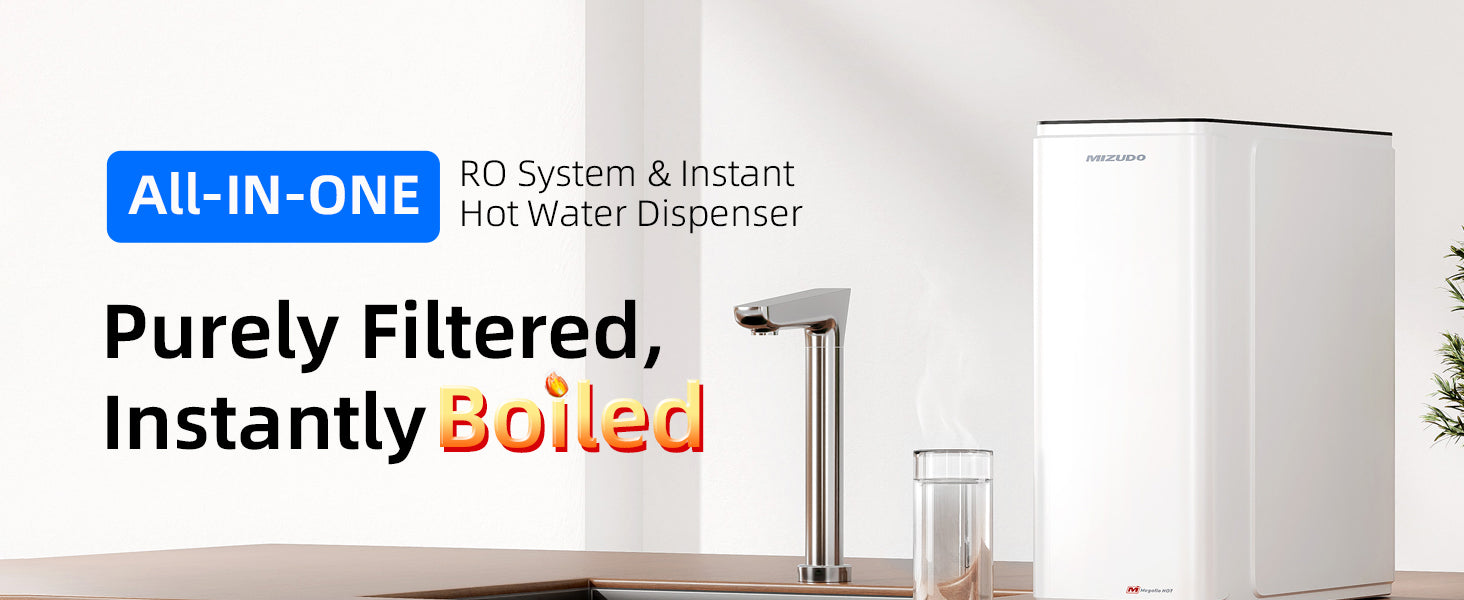
How to choose a water filter for drinking: 2026 Expert Guide
Let’s be honest—most of us don’t think twice about the water coming out of our kitchen faucet until it tastes a little off. But with growing concerns about aging city infrastructure and private well safety, upgrading your Water Filter home setup is no longer just a luxury. It is a fundamental step in protecting your family's health.
According to the Environmental Protection Agency (EPA), while US municipal water systems are highly regulated, harmful contaminants like lead, forever chemicals (PFAS), and agricultural runoff can still infiltrate your tap water through aging local pipes. If you are ready to ditch the heavy plastic bottles and tap into premium hydration, let's break down exactly what you need to know.
The Real Science: Why Make the Switch?
When homeowners ask us, What are the benefits of using a water filter?, the answer goes far beyond just getting rid of that swimming-pool chlorine smell.
A high-quality Water filter for drinking acts as a physical and chemical barrier for your home. When shopping, you shouldn't just take a brand's word for it. You need to look for premium water filtration systems that align with strict, independent testing standards:
· NSF/ANSI Standard 42: Ensures the removal of aesthetic impurities like chlorine, taste, and odor.
· NSF/ANSI Standard 53: Certifies the reduction of contaminants with known health effects, such as lead, asbestos, and VOCs.
· NSF/ANSI Standard 58: The gold standard specifically for Reverse Osmosis (RO) systems, verifying they effectively reduce Total Dissolved Solids (TDS) and heavy metals.
Having water that meets these strict criteria means total peace of mind, especially when you are mixing formula or filling up glasses for the kiddos.
Navigating the Market: RO vs. UF and Everything In Between
When you start comparing options, the biggest hurdle is usually figuring out, What are the different types of water filters?
Let's cut through the marketing noise. You have basic pitchers—like a standard Water filter PUR or an entry-level Water Filter Waterdrop—which are great for college dorms but only handle basic odor reduction. If you rent, a sleek Water filter Countertop model is a solid, no-drill alternative.
However, for permanent homes, a dedicated Water filter System for sink is the ultimate goal. To see the latest innovations in home filtration, you can explore our newest arrivals. But here is where most newbies get stuck: Should you choose Ultrafiltration (UF) or Reverse Osmosis (RO)?
Ultrafiltration (UF)
These systems use a hollow fiber membrane (usually around 0.01 microns) to block bacteria and larger particles. They are great because they don't produce wastewater and leave natural minerals in the water. However, they cannot remove dissolved heavy metals or forever chemicals.
Reverse Osmosis (RO)
This is the heavy-duty option. An RO membrane has pores so microscopic (0.0001 microns) that it removes 99.9% of all impurities, including lead, arsenic, and fluoride.
The MIZUDO Difference: Solving the RO Controversy
You might have heard a common debate: Is RO water too pure? Does it strip away the good stuff?
Yes, traditional RO systems strip out everything, including beneficial minerals. That’s why advanced MIZUDO systems don't just stop at filtration. We utilize a specialized multi-stage process:
1. Sediment & Carbon Pre-filters: Catch rust, dirt, and chlorine.
2. Premium RO Membrane: Strips the microscopic toxins (NSF 58 compliance).
3. Post-Carbon & Remineralization: This is the game-changer. We actively reintroduce essential minerals like calcium and magnesium back into your water. You get the absolute purity of RO, perfectly balanced with the crisp, healthy taste of natural spring water. To understand why this matters for your health, read more about the body's mineral blueprint in water.
Matching the Tech to Your Tap
So, How to choose a water filter? You have to match the hardware to your specific water source.
If you are on city water, you are primarily battling chlorine and aging pipes. The Best under sink water filter for municipal users is a high-flow RO system with remineralization. It ensures your coffee tastes incredible and your family is safe from unexpected municipal pipe corrosion.
For our off-grid friends, the rules change entirely. Well water doesn't go through a city treatment plant, meaning you are fighting heavy sediment, iron, and potential agricultural runoff. Finding the Best under sink water filter for well water means looking for a system with robust, high-capacity pre-filtration stages to prevent the delicate RO membrane from clogging prematurely.
The Practical Details: Budget and Setup
Let's talk numbers. How much does a water filter cost?
While a basic pitcher costs around $30, it won't protect you from heavy metals. For a high-performance Water filter for sink for drinking, you should expect to invest between $200 and $500. This upfront investment pays for itself in less than a year when you completely eliminate single-use bottled water from your grocery list.
And finally, the part that makes everyone a little nervous: How to install a water filter?
You don't need to be a seasoned pro or hire an expensive plumber. Modern, tankless RO systems are designed for the average homeowner. With quick-connect tubing, color-coded ports, and a basic wrench, most folks can complete the setup under their kitchen counter in about an hour.
Frequently Asked Questions
Q: How often do I really need to change my filters? A: For most under-sink systems, the carbon and sediment pre-filters should be swapped every 6 to 12 months. The main RO membrane typically lasts between 12 to 24 months, depending on your local water hardness. When it's time for a change, be sure to use genuine replacement filters to maintain system performance and warranty.
Q: Does a water filter remove PFAS (Forever Chemicals)? A: Basic carbon pitchers cannot effectively remove PFAS. To safely remove forever chemicals, you need an advanced filtration method. The Centers for Disease Control (CDC) recognizes Reverse Osmosis as one of the most highly effective technologies for removing PFAS from drinking water.
Q: Will an under-sink system drop my water pressure? A: Older systems with bulky storage tanks sometimes struggled with pressure. However, modern high-capacity, tankless RO systems utilize internal booster pumps to provide a fast, continuous flow directly to your dedicated faucet, filling a cup in just seconds.